
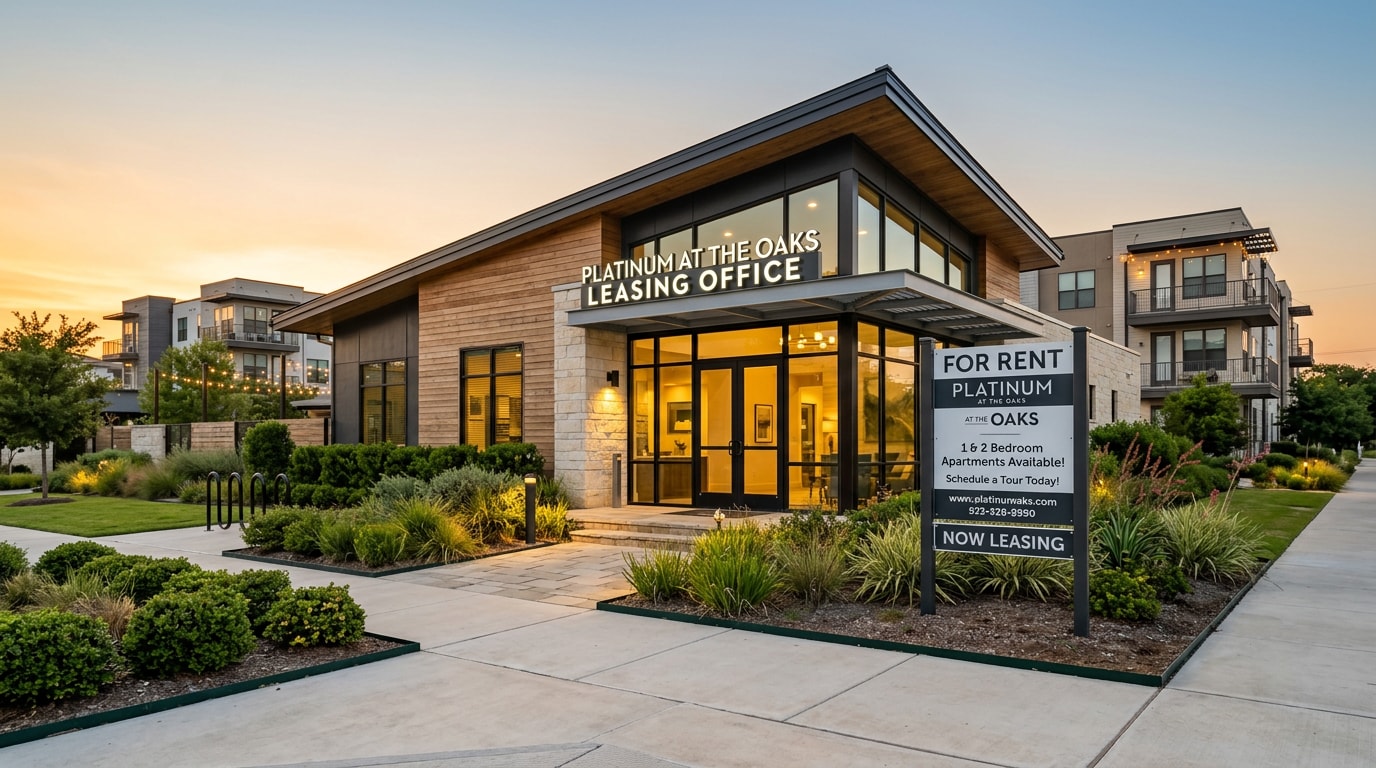
Most Austin landlords will hold an apartment for one to two weeks after you put down a holding deposit or sign a lease, though the exact window depends on the property, the deposit paid, and how competitive that unit is. Some will stretch to 30 days if you negotiate in writing; others release the unit in as little as three days if paperwork or payment is late. Here's exactly how the hold period works, what it costs, and what Texas law says about the deposits tied to it.
How Long Will an Austin Landlord Actually Hold an Apartment?
There's no single legal number here, it comes down to the deposit you pay and the agreement you sign.
Generally, a landlord might agree to hold an apartment for one to two weeks with a standard holding deposit.
Typically, landlords expect tenants to move in within a couple of weeks after signing the lease. Some properties go further: an apartment will often be held for 30 days once a potential tenant puts down a holding deposit , but that longer window is the exception, not the rule.
Austin's rental market moves fast, and that shrinks the window further once you're actually approved. In our experience helping renters clear out old units and prep new ones across the Austin area, the biggest risk isn't the hold period itself, it's assuming you have more time than the lease actually allows. Many properties hold a unit for a short period, often 24 to 72 hours, then release it if the lease isn't signed or required payments don't arrive on time.
In a tight market, that window can be even tighter. In a tight rental market like Austin, a landlord may ask for $300 to hold an apartment for five days. If you need longer than what's offered, ask before you pay, not after.
What Is a Holding Deposit, and How Is It Different From a Security Deposit?
A holding deposit and a security deposit sound similar but do completely different jobs.
A holding deposit is a smaller, separate payment that takes a unit off the market for a set number of days while you finalize your decision. A security deposit only becomes due at lease signing and protects the landlord against damage or unpaid rent for the full lease term.
Here's how the three most common move-in payments compare in Austin:
| Payment | Typical Amount | Refundable? | When It's Due |
|---|---|---|---|
| Holding deposit | $100–$300, or up to a week's rent | Often non-refundable if you back out; sometimes applied to rent | Before lease signing |
| Security deposit | Commonly one month's rent (no state cap) | Refundable, minus lawful deductions | At lease signing |
| First month's rent | Equal to monthly rent | Non-refundable once the lease starts | At move-in |
Before paying anything, get the hold terms in writing: the exact unit address, the amount paid, the specific dates the unit will be held, and what happens to the money if you sign (or don't). A written record should cover the exact address of the apartment, the amount you're paying, the specific dates the unit will be held, and what happens to that money whether you sign the lease or walk away.
Factors That Change How Long a Unit Stays Held
The one-to-two-week guideline isn't fixed. A few things push it longer or shorter:
- Rental demand. High-demand Austin neighborhoods mean shorter holds; slower-moving properties may offer more flexibility.
- Property type. Large corporate-managed complexes tend to follow strict internal policies. Smaller, independently owned properties can often negotiate case by case.
- Season. Summer leasing season in Austin is more competitive, which shortens hold windows across the board.
- Your application completeness. Missing income verification or ID slows approval and eats into whatever hold period you were given.
- How much you're willing to pay upfront. A larger holding deposit, or an offer to cover prorated rent for the vacancy period, buys more time.
How to Negotiate a Longer Hold Period
If two weeks isn't enough, you have options before you lose the unit.
Offering to pay pro-rated rent for the time the apartment would otherwise sit vacant, sometimes called "vacancy rent," is one of the strongest ways to buy extra time. For example, if the unit is available April 15 but you can't start your lease until May 1, you can offer to cover that gap without signing the lease early.
Whatever you agree to, put it in writing before you hand over money. A text message confirming dates and amounts is far better than a verbal promise from a leasing agent.
Application and Admin Fees Before You Even Get to "Hold"
Before a landlord considers reserving a unit, you'll usually pay to get in the door.
An application fee covers screening (credit checks, background checks, rental history). An admin fee sometimes covers processing paperwork and setting up your file. Both are typically non-refundable, even if you're approved and change your mind.
The average rental application fee in Austin runs $40 to $75 per applicant , while admin fees in Austin typically range from $50 to $200 depending on the property. Ask for the full fee schedule in writing before you apply, not after you've already paid.
Austin Move-In Costs at a Glance
Here's a rough breakdown of what stacks up before you get keys, using the ranges most Austin renters report:
| Cost Item | Typical Range |
|---|---|
| Application fee | $40–$75 per applicant |
| Admin fee | $50–$200 |
| Holding deposit | $100–$300 |
| Security deposit | One month's rent (no legal cap in Texas) |
| First month's rent | Equal to monthly rent |
Understanding which of these are refundable and which aren't helps you avoid an unpleasant surprise mid-lease.
Monthly Fee in Lieu of a Deposit
Some Austin landlords offer a lease deposit alternative: instead of one lump-sum security deposit, you pay a smaller recurring fee added to your rent for the life of the lease. This option changes the holding math, since you may be able to secure a unit faster without saving up a full deposit in advance.
Not every property offers this, and Texas law requires it to be disclosed clearly in the lease if available. Ask about it on your first tour, it directly affects how quickly you can commit to a unit.
Texas Security Deposit Limits
Texas doesn't cap how much a landlord can charge for a security deposit. There is no statutory cap on residential security deposits in Texas, a landlord may collect whatever amount the lease and market support, commonly one month's rent, sometimes more for higher-risk tenancies.
That means an Austin renter weighing whether to hold out for a better deal should factor in that deposit size varies a lot between properties. This is separate from the holding deposit discussed earlier, a security deposit protects against damage and unpaid rent over the full lease term, while a holding deposit only reserves the unit before signing. For the full statutory language, see Texas Property Code Chapter 92.
What Landlords Can and Can't Deduct
Texas law allows landlords to make specific, lawful deductions from a security deposit after move-out: unpaid rent, cleaning costs beyond normal use, and repairs for damage that exceeds normal wear and tear.
A landlord may not retain any portion of a security deposit to cover normal wear and tear. That means deductions can't include routine wear like minor carpet fading, small nail holes, or appliances that simply aged over time. Keeping dated photos from move-in gives you leverage if a dispute over deductions comes up later.
Getting Your Deposit Back After You Move Out
Texas landlords must return a tenant's security deposit, or an itemized list of deductions, within a strict deadline. The landlord must return your deposit, less any amount deducted for damages, within 30 days of your departure, provided you've given a forwarding address in writing.
"Surrender of premises" means you've returned keys and vacated, not simply that your lease term ended. This 30-day rule bookends the whole rental timeline: the same deposit math you weigh before moving in determines what you get back when you move out. For official guidance, see the Texas Attorney General's renter's rights page.
(Note: for direct legal guidance on deposit disputes, the Attorney General's consumer protection office also publishes a dedicated renter's rights resource.)
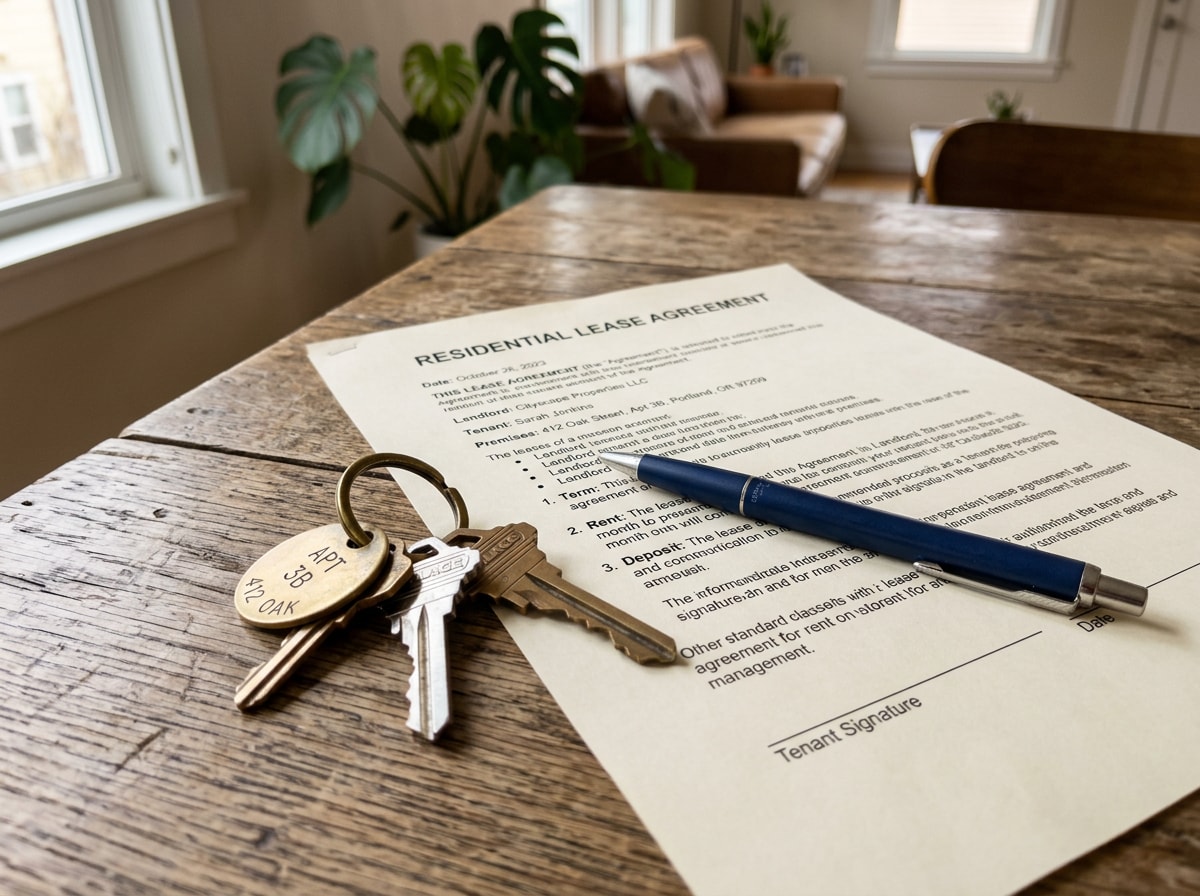
Reviewing and Signing the Lease Agreement
Once fees and deposits are settled, the lease itself determines exactly how long a unit stays reserved for you before you take possession.
Check the move-in date clause closely, it specifies the exact day your tenancy and rent obligations begin. Review early-termination terms and renewal language too, since these affect your flexibility if plans change.
Some Austin leases allow a negotiated delay in possession, but this usually requires written agreement from the landlord and may still accrue rent from the original start date.
Doing a Move-In Inspection
A move-in inspection protects your security deposit by documenting the unit's condition before you move anything in. It's your evidence if a dispute over damage comes up at move-out.
Best practice for an Austin move-in walkthrough:
- Photograph every room, including ceilings, floors, and closets.
- Test every appliance and faucet.
- Note existing damage on a written condition report signed by both parties.
- Keep a copy of the signed report for your own records.
Baseline Tenant Rights Between Signing and Move-In
Once you've signed a lease, several baseline protections apply during the window between signing and actually taking possession.
Lease Terms
Texas law requires the lease to clearly state rent amount, due dates, and lease length, but it leaves move-in and possession specifics open to negotiation. Tenant rights here largely depend on what's written into the agreement itself.
Evictions
A tenant who has signed a lease but not yet moved in still has rights if the landlord fails to deliver the unit as agreed. Notice deadlines before an eviction filing are three days unless the lease says otherwise. For a full walkthrough of how the process works, see TexasLawHelp.org's eviction guide.
Fair Housing
Fair housing law prohibits discrimination based on race, religion, national origin, disability, and other protected classes throughout the entire application-to-move-in window, not just after signing.
Don't Forget Lease-End Costs
Thinking ahead to lease-end costs while you're still deciding on move-in timing isn't overkill, it shapes the full financial picture of renting in Austin. Budget for professional cleaning if required by your lease, final utility settle-up, and potential deductions for damage beyond normal wear.
Money set aside now for move-out reduces surprises later.
Once You've Got a Move-In Date: Clearing Out Fast
The holding period only solves half the problem. Once your Austin lease is signed and the clock starts, you still have to empty the old place, and most leases don't give you much runway to do it.
This is where a lot of renters get stuck. Between packing, utility transfers, and a move-in date that arrived faster than expected, old furniture, broken fixtures, and general junk pile up with nowhere to go. A same-day junk removal service or a short-term residential dumpster rental clears that out in a single pass instead of a dozen truck trips to the dump.
If you still need somewhere to put your things between leases, our guide on whether movers will hold your stuff for a few days covers short-term storage options while you wait out a hold period.
For bigger cleanouts, including yard debris or construction materials left behind by a previous tenant, property cleanup and debris hauling services handle it without you lifting a single couch. We serve renters and property managers throughout the Austin, TX area and the surrounding region. Visit our homepage to see the full range of services, or request a quote to get a dumpster or junk pickup scheduled before your hold period runs out.
FAQ
How long can you hold an apartment before moving in Austin, TX?
Most Austin properties hold a unit for one to two weeks once you pay a holding deposit or sign a lease. Some stretch to 30 days with a negotiated written agreement; others release the unit in as little as three days if payment or paperwork is late.
What is a holding fee for an apartment?
A holding fee (or holding deposit) is money paid to a landlord to take a unit off the market for an agreed number of days while you finalize your decision. It's separate from the security deposit and often non-refundable if you back out.
Can a landlord require a holding deposit in Texas?
Yes. Texas law doesn't prohibit holding deposits, but the landlord must clearly disclose the terms, including the hold period and what happens to the money if you don't sign the lease.
Is a holding deposit refundable in Texas?
It depends entirely on the written agreement. Some properties apply it toward your first month's rent if you sign the lease; others keep it as a cancellation fee if you walk away. Always get the refund terms in writing before you pay.
How to break an apartment lease without penalty in Texas?
Texas law allows early lease termination without penalty in limited cases: active military orders under the Servicemembers Civil Relief Act, uninhabitable living conditions the landlord refuses to fix, or a documented landlord lease violation. Outside these exceptions, breaking a lease early typically still carries a financial penalty.
How long do you need to live somewhere to be considered a tenant?
In Texas, tenancy generally begins on the lease start date or the date you take possession, whichever applies under the lease. There's no minimum number of days required to be legally recognized as a tenant, which is the key distinction between holding a unit before move-in and actually becoming a tenant with full occupancy rights.
What are common lease violations?
Frequent lease violations include unauthorized occupants not listed on the lease, unapproved pets, consistently late rent payments, and unauthorized alterations to the unit. Staying on top of lease terms early helps avoid disputes or eviction later in the tenancy.
What are tenant rights in Texas for eviction?
Texas landlords must provide written notice, typically three days unless the lease states otherwise, before filing for eviction. Tenants have the right to respond in court before being removed, and self-help evictions like changing locks without a court order are illegal.