Vehicle moving companies in Marion, TX range from one-truck local haulers to national brokers juggling hundreds of carriers, and the gap between a smooth pickup and a scheduling headache usually comes down to a handful of checks most shoppers skip. This guide breaks down what licensed auto transport actually costs around Guadalupe County right now, how to vet a carrier before you hand over a deposit, and when driving the car yourself beats paying someone else to do it.
How to Vet Vehicle Moving Companies in Marion, TX
Before you compare a single quote, run every company through the same four checks: reputation, licensing, pricing transparency, and paperwork. Skip one of these and you're gambling on a stranger with your car.
Check Reviews Across More Than One Site
Pull up a company's Google Business Profile, the Better Business Bureau, and TransportReviews.com. Each one surfaces a different slice of customer experience, and no single source tells the whole story.
Watch for one specific pattern: a cluster of five-star reviews posted in the same week, followed by long silence. That usually means purchased reviews, not earned ones. Genuine reviews trickle in steadily and mention specifics, like a driver's name, a pickup window, or the vehicle's condition on arrival, instead of generic praise.
A carrier with a real track record usually has a mix of reviews, including a few mediocre ones handled professionally. That's a better signal than a suspiciously perfect record.
Verify Licensing and Insurance
A legitimate carrier or broker holds both a USDOT number and an MC number registered with the Federal Motor Carrier Safety Administration. Guadalupe County has more trucking activity than most people assume: federal registration data shows there are 98 DOT-registered trucking companies in Marion, Texas , so a lack of registration isn't something you can excuse as "too small to bother."
Look up any carrier or broker directly through FMCSA's SAFER Company Snapshot system before you book. Federal law requires liability insurance, but cargo insurance (the coverage that actually protects your vehicle in transit) isn't always mandatory. Ask for the certificate number, not just a verbal assurance that "we're covered."
Compare Pricing and Payment Terms
Request quotes from at least three companies. A number far below every other quote usually means a carrier is cutting corners somewhere: insurance, driver experience, or vehicle condition at delivery.
A trustworthy company gives a clear breakdown with no fees added after booking. Price matters, but it shouldn't outweigh reputation and insurance coverage. If you'd rather skip the guesswork, request a quote for your specific route and vehicle and compare it against what you find elsewhere.
Get Everything in Writing
Never book on a verbal agreement. Your signed contract should spell out total price, insurance coverage, pickup and delivery dates, and what happens if weather or a mechanical issue delays the delivery window.
If a company resists putting these details in writing, treat that as a reason to keep shopping, not a minor inconvenience.
What It Costs to Ship a Vehicle From Marion, TX in 2026
Distance is the biggest factor in price, but route popularity and pickup accessibility matter too. Marion sits close enough to San Antonio that carriers running that corridor regularly often offer better rates than a one-off rural pickup farther off the interstate.
| Route from Marion, TX | Typical Price Range |
|---|---|
| To San Antonio or Austin | $150-$300 |
| To Dallas or Houston | $300-$450 |
| To Phoenix or Atlanta | $700-$1,200 |
These are planning ranges, not fixed quotes. Fuel costs, seasonal demand, and vehicle size all shift the final number, so treat them as a starting point for comparison, not a guarantee.
Open vs. Enclosed Transport: Which Fits Your Vehicle
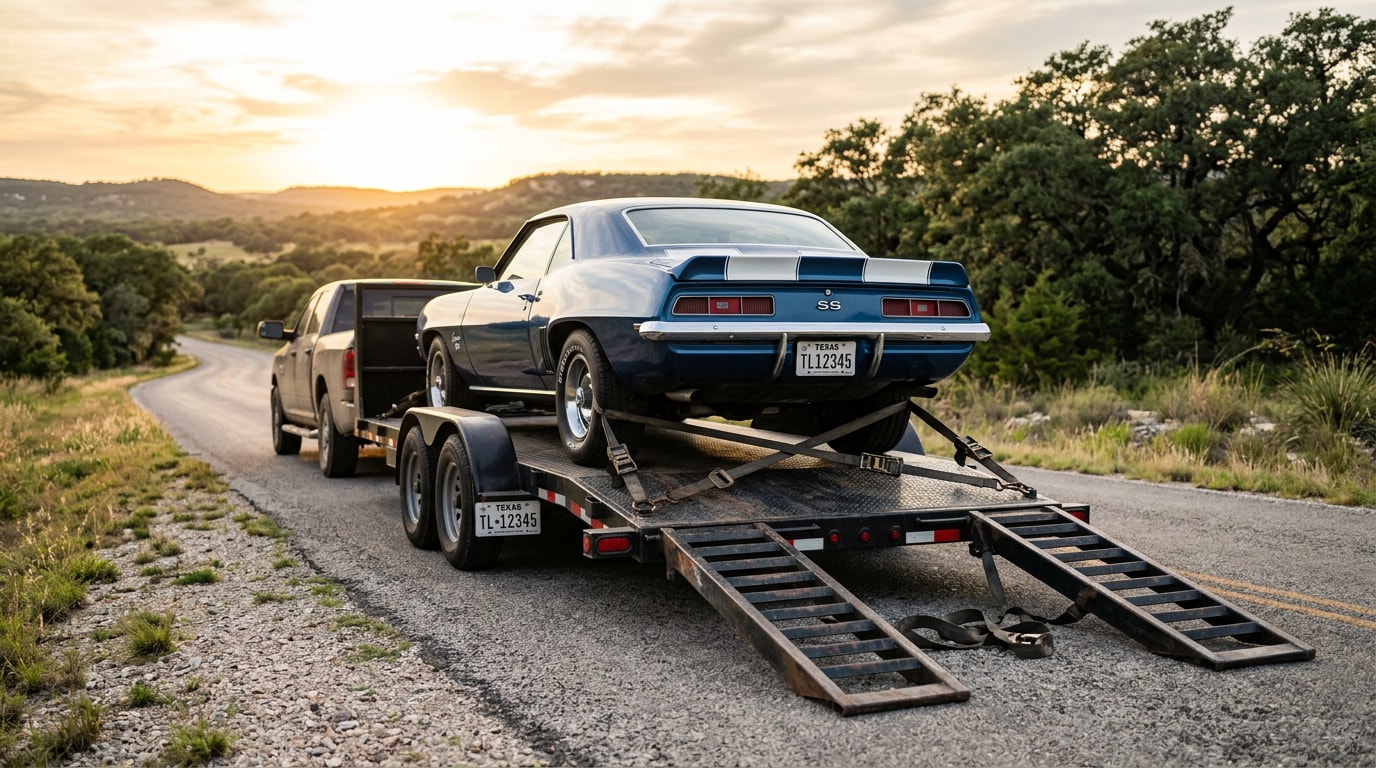
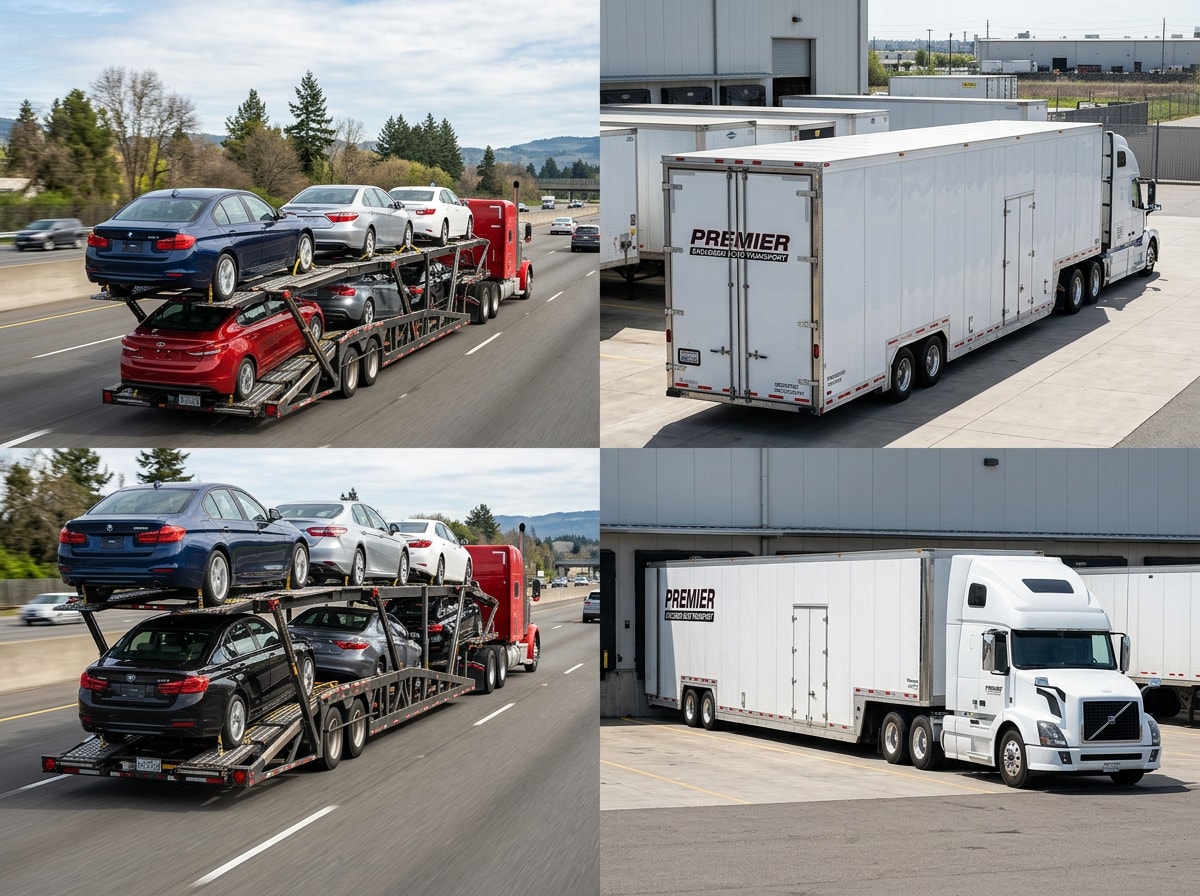
Open transport is the standard choice; it's what you see hauling several cars down the interstate at once. Enclosed trailers cost more because they carry fewer vehicles per trip and shield cars from weather and road debris. Industry data backs up the price gap: enclosed shipping usually runs 30-60% more than open shipping, depending on distance, vehicle size, and availability .
| Factor | Open Transport | Enclosed Transport |
|---|---|---|
| Typical cost | Baseline rate | 30-60% higher |
| Weather/debris exposure | Yes | No |
| Best for | Daily drivers, SUVs, most sedans | Classic, luxury, or exotic cars |
| Availability | Widely available, faster scheduling | Fewer carriers, longer lead time |
For most Marion-area moves, the choice comes down to the vehicle's value. A five-year-old commuter car rarely needs enclosed protection; a restored muscle car or a six-figure SUV usually does.
Local vs. Nationwide Carriers: Which One Fits Your Move
A general rule of thumb: book a local auto transport company for moves under about 200 miles, and lean toward a nationwide broker for anything longer. Local providers often charge a premium once a route stretches past a few hundred miles, since it pulls them off their regular territory.
For a Marion resident moving to San Antonio, New Braunfels, or Seguin, a local operator usually wins on price and communication. For a move to Phoenix or Chicago, a nationwide broker typically has more carrier options and better pricing leverage because they work that lane constantly. It isn't about loyalty, it's matching the provider's strength to your route. If your move involves more than just a car, our Marion, TX area page covers the broader relocation services we coordinate in the area.
One thing worth flagging: if you're relocating a whole household, not just a car, many full-service moving companies bundle vehicle transport into the same contract as furniture and boxes. That simplifies scheduling, since you're coordinating one delivery window instead of two separate companies showing up on different days. We see a version of this firsthand on property cleanout jobs: a property cleanup in Marion occasionally turns up a vehicle that has to move before debris hauling can start, and that scheduling overlap is exactly why it pays to line up your auto transporter early. If you're also moving a shed or outbuilding off the property, our guide to shed moving companies in Marion, TX covers permits and costs for that separate piece of the job.
Is Driving the Car Yourself Ever Worth It?
Before vetting companies, it helps to settle a more basic question: should you drive the car yourself or hand it to a shipper? The right call depends on distance, timeline, and budget.
Driving is cheapest for a short hop, but it turns into a bigger project once mileage climbs. Say you're relocating from Marion to Denver, roughly 850 miles one way. The IRS raised its 2026 standard mileage rate twice this year: for the period January 1, 2026, through June 30, 2026, the standard mileage rate is 72.5 cents per mile for all business miles, and for the period July 1, 2026, through December 31, 2026, the standard business mileage rate is increased to 76 cents per mile . Using the current IRS mileage rate as a rough stand-in for fuel and wear, that trip alone runs around $640-$650 before adding lodging, meals, and the workdays you'll burn behind the wheel.
A DIY move still makes sense for a quick 200-mile run to Austin. For longer relocations, the "savings" shrink fast once your time is worth anything at all.
Red Flags: How to Avoid Auto Transport Scams
Auto transport scams tend to follow a pattern. The U.S. DOT's Office of Inspector General lists several warning signs worth memorizing before you book:
- No local address or FMCSA registration details listed on the company's website
- Phone answered with a generic "Movers" or "Moving Company" instead of the business name
- A generic email address that doesn't include the company's name
- A rental truck showing up on moving day instead of a company-owned or marked vehicle
- Pressure to sign blank documents before loading begins
These are among the red flag indicators the DOT Office of Inspector General tells consumers to watch for before choosing a moving or transport company . Any one of these alone might be innocent; two or three together is a reason to walk away.
Federal enforcement has leaned into this problem in recent years. FMCSA's Operation Protect Your Move is a nationwide crackdown on scam interstate household goods movers and brokers, addressing complaints about compliance with federal safety and consumer protection regulations . If something feels off about a quote or a contract, the DOT Office of Inspector General's household goods moving fraud page walks through how to check complaint history before you sign anything.

Texas and Federal Regulations You Should Know
Any carrier crossing state lines into or out of Texas must meet FMCSA requirements and hold active interstate carrier registration. Texas also has its own rules for intrastate moves, so a company hauling a car only within Texas may operate under slightly different registration than one crossing into New Mexico or Oklahoma.
You don't need to memorize the regulations, just confirm the company's registration matches your type of move, using the same SAFER lookup covered earlier. For a broader look at how we handle logistics-heavy projects across the region, our homepage outlines the full range of site services we coordinate, and our projects page shows completed work across Guadalupe County and beyond.
FAQ
How much does it cost to ship a car in Texas?
Cost typically ranges from a few hundred dollars for a short regional move to over a thousand dollars for longer interstate hauls. Pricing depends on vehicle size and weight, total distance, trailer type, and pickup flexibility. Getting quotes from a few providers is the only way to know your specific number.
Is it cheaper to drive or ship a car cross-country?
For moves under roughly 500 miles, driving usually costs less. Past about 1,000 miles, the math flips: fuel, lodging, meals, and lost work time often add up to roughly what shipping costs, minus the wear on your vehicle. The decision in that middle range depends on how much your time and your car's mileage are worth to you.
How can I ship my car to Texas?
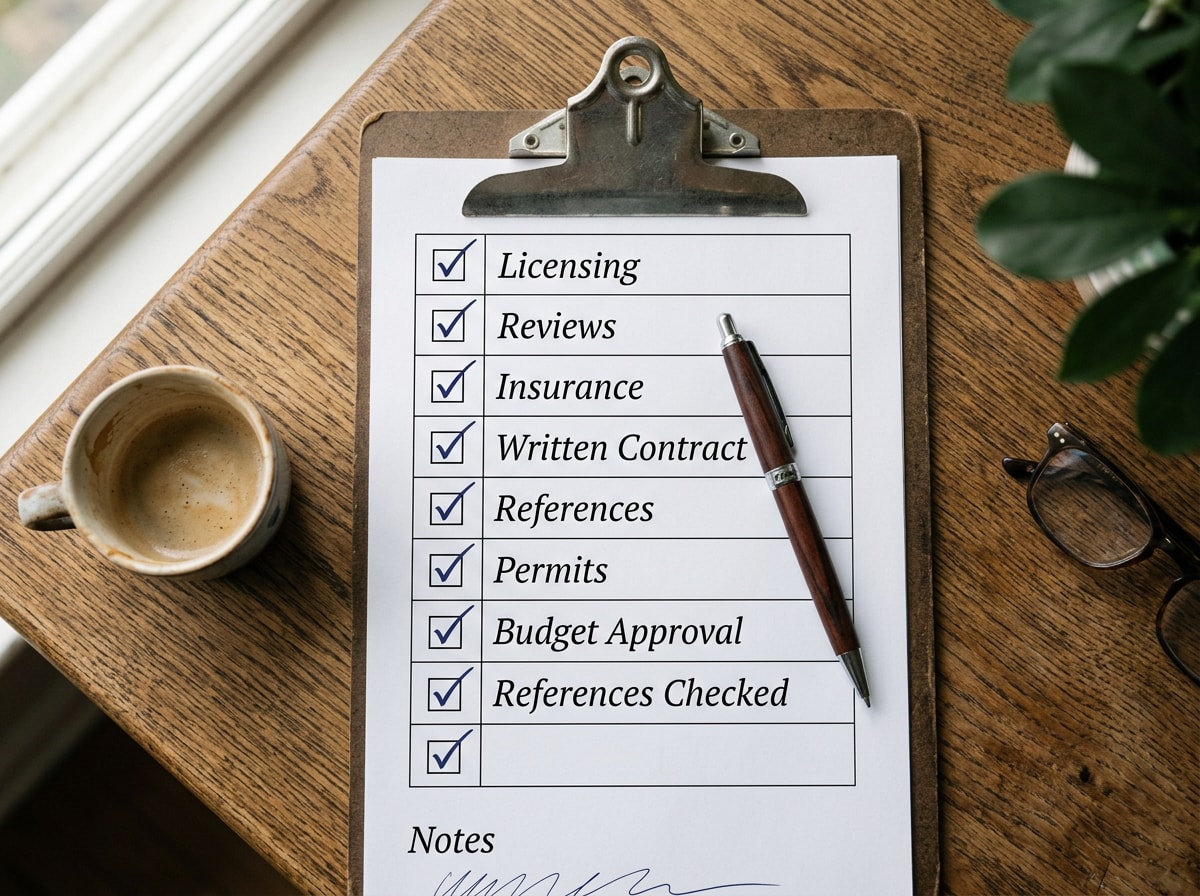
Book auto transport through a licensed carrier or broker, provide pickup and delivery details, and schedule a pickup window. Run the same vetting checklist covered above, reviews, licensing, pricing, and a signed contract, before committing to any company.
What information do I need for an accurate quote?
An accurate quote requires your pickup and delivery locations, the vehicle's year, make, and model, whether it currently runs and drives, and your preferred pickup timeframe. Leaving out details like a non-running vehicle or oversized modifications is the most common reason a quoted price changes on pickup day.
How long does it take to ship a car in Texas?
Short regional moves, like Marion to San Antonio or Austin, often complete within 1-3 days once the carrier picks up. Longer interstate hauls can take anywhere from a few days to two weeks depending on the carrier's route and how many other pickups and drop-offs fall along the way. Ask for a delivery window, not a guaranteed date, since weather and mechanical delays are common in this industry.
Ready to line up a provider for your move? Request a quote and we'll help you sort out which pieces of your relocation need a specialist versus what we can handle directly.